Understanding Ball Python Genetics for Optimal Care
- Johanna Moreland
- Jul 6
- 4 min read

Ball pythons are one of the most popular pet snakes, known for their docile nature and stunning variety of colors and patterns. However, understanding the genetics behind these beautiful creatures is crucial for both breeders and pet owners. This knowledge not only enhances the appreciation of these snakes but also plays a significant role in their care and breeding. In this post, we will explore the fascinating world of ball python genetics, how it affects their appearance and behavior, and what it means for their care.

The Basics of Ball Python Genetics
What is Genetics?
Genetics is the study of heredity and the variation of inherited characteristics. In the context of ball pythons, genetics determines their physical traits, such as color, pattern, and size. Understanding these genetic principles can help you make informed decisions when selecting a ball python for your collection or breeding program.
Dominant and Recessive Traits
In ball pythons, traits are often categorized as dominant or recessive.
Dominant Traits: These traits will express themselves even if only one copy of the gene is present. For example, the "Pastel" gene is dominant, meaning that if a ball python carries this gene, it will display the pastel coloration.
Recessive Traits: These traits require two copies of the gene to be expressed. For instance, the "Albino" gene is recessive, so a ball python must inherit two copies of this gene to exhibit the albino coloration.
Co-Dominant Traits
Some traits are co-dominant, meaning that both alleles can be expressed simultaneously. A prime example is the "Spider" gene, which can create unique patterns when paired with other morphs. Understanding these genetic interactions is essential for breeders looking to produce specific traits.
Common Ball Python Morphs
Ball pythons come in a wide variety of morphs, each with unique genetic backgrounds. Here are some of the most popular morphs and their genetic implications:
Normal
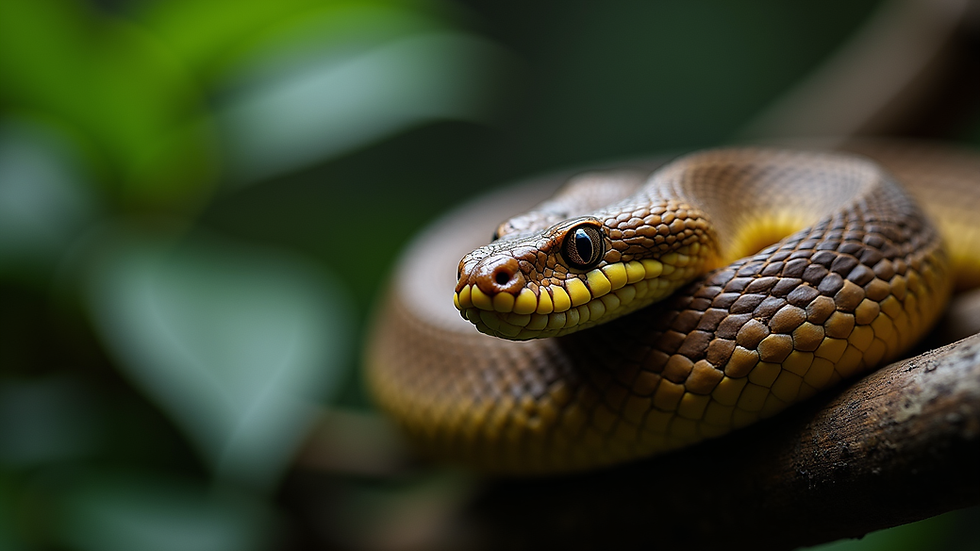
The "Normal" ball python is the baseline morph, characterized by a standard brown and yellow coloration. This morph serves as the foundation for many other morphs.
Pastel
The Pastel morph is known for its lighter coloration and increased contrast between the yellow and brown. This morph is dominant, making it a popular choice for breeders looking to enhance the brightness of their snakes.
Albino
Albino ball pythons lack melanin, resulting in a striking white and yellow appearance. This morph is recessive, meaning both parents must carry the albino gene for the offspring to be albino.
Spider
The Spider morph is famous for its unique pattern, which features a reduced pattern with a "spider web" effect. This morph is co-dominant, allowing for interesting combinations when bred with other morphs.
Clown
The Clown morph is characterized by a distinct pattern that appears to be "clown-like," with reduced markings and a more vibrant color palette. This morph is recessive, making it a sought-after trait among breeders.
Breeding for Specific Traits
Understanding Genetic Pairings
When breeding ball pythons, understanding genetic pairings is crucial for achieving desired traits. Here are some key concepts to consider:
Punnett Squares: A Punnett square is a tool used to predict the genetic outcomes of a breeding pair. By mapping out the alleles of both parents, breeders can estimate the likelihood of specific traits appearing in the offspring.
Breeding Strategies: Breeders often use specific strategies to enhance desired traits. For example, breeding two Pastel ball pythons can increase the chances of producing more Pastel offspring.
Ethical Considerations
While breeding for specific traits can be exciting, it is essential to consider the ethical implications. Some morphs may be prone to health issues, such as the Spider morph, which can exhibit neurological problems. Responsible breeding practices should prioritize the health and well-being of the snakes.
Optimal Care for Ball Pythons
Habitat Requirements
Creating a suitable habitat is vital for the health of your ball python. Here are some key factors to consider:
Enclosure Size: A ball python's enclosure should be at least 40 gallons for adults. Ensure there is enough space for them to move around comfortably.
Temperature and Humidity: Maintain a temperature gradient within the enclosure, with a warm side (around 88-92°F) and a cooler side (around 75-80°F). Humidity levels should be kept between 50-60%.
Hiding Spots: Provide hiding spots to help your ball python feel secure. Use materials like cork bark or commercially available hides.
Feeding and Nutrition
Feeding your ball python a balanced diet is crucial for its health. Here are some tips:
Prey Size: Offer prey that is approximately the same width as the snake's body. For adult ball pythons, this usually means feeding them medium to large rats.
Feeding Frequency: Young ball pythons should be fed every 5-7 days, while adults can be fed every 10-14 days.
Health Monitoring
Regular health checks are essential for your ball python's well-being. Look for signs of illness, such as:
Lethargy: If your snake is less active than usual, it may indicate a health issue.
Weight Loss: Monitor your snake's weight regularly. Sudden weight loss can be a sign of illness.
Skin Shedding: Ensure your ball python sheds its skin properly. Incomplete sheds can lead to health problems.
Conclusion
Understanding ball python genetics is not just for breeders; it is essential for anyone who owns or cares for these remarkable snakes. By grasping the basics of genetics, recognizing common morphs, and implementing optimal care practices, you can ensure a healthy and fulfilling life for your ball python. Whether you are a seasoned breeder or a first-time owner, this knowledge will enhance your experience and deepen your appreciation for these fascinating reptiles.
As you embark on your journey with ball pythons, remember to prioritize their health and well-being. By doing so, you will not only enjoy their beauty but also contribute to the responsible care and breeding of these incredible creatures.

Comments